Death Cleanup
Cleaning a home after someone dies, including fluids, odor and affected belongings.
See death cleanupGet decomposition fluids, affected materials and odor removed from a home, apartment, rental or business in Silver Bluff after officials release the property. Cleanup timing depends on the affected area and materials.
Unattended death cleanup is a process that takes away decomposition fluids, odor and belongings that became contaminated because the person was not found soon after death. It finishes with disinfection and cleaning in the affected space.
Neither the funeral home nor the medical examiner or coroner cleans the residence after taking the person into care. You, or another responsible person, must arrange cleaning when officials have released the property. The terms decomposition cleanup and post death cleanup describe this work, as does unattended death clean up. Another term is biohazard clean up after death.
The work looks past visible marks to determine how far contamination spread. Bedding, carpet and its pad may let bodily fluids through to flooring seams or subfloor, and material may settle alongside furniture or walls. Cleanup technicians trace that movement, discard items that cannot be completely cleaned and use an EPA-registered disinfectant on remaining surfaces for its label contact time. They also ready hazardous waste for disposal according to law.
The remediation process also includes odor removal. Removing the source comes before treating nearby surfaces and air. Personal property outside the affected areas can then be sorted, cleaned when appropriate, or set aside for you to inspect. Work on new baseboards, flooring or drywall typically starts after death scene cleanup is finished.
Your call is answered around the clock, and crews use unmarked vehicles. You can arrange entry without walking through the affected room or discussing private details with neighbors.
You receive an explanation of findings, materials that must be removed, items that may remain and cost factors before cleanup. Answers are available as each stage proceeds.
Photos, documents, jewelry and other meaningful items are separated when they can be reached safely. Whenever circumstances allow, you choose the treatment for belongings placed aside.
Insurance companies, landlords and property managers can receive organized photographs, waste records and scope documentation. Clear records help you move forward with repairs and claim evaluation.
You may need unattended death cleanup services if the time before discovery allowed fluid or odor to spread into the property. The surroundings may vary, but restricting access and following the contamination remain essential.
Once officials release the unit, its landlord or property manager may coordinate entry. Keep belongings where they are until an authorized person determines which items can be saved, cleaned or taken away.
Vehicle carpeting, cushions, seats and panels may absorb bodily fluids. Each part is assessed to decide whether proper biohazard remediation requires removal or permits cleaning.
Odor and fluids can move into shared walls, subflooring or a downstairs unit. The tenant, family, property manager and insurance company may all need clear photos and a defined work area.
A short-term rental or hotel may need private containment, treatment for floors and furnishings, and controlled odor removal before normal use or repairs.
Stay outside the affected area until its official release. The steps below can protect other people and you while preserving the investigation and any insurance claim that may follow.
Call (888) 440-9227Published guides place many unattended death cleanup cases between $2,000 and $7,000. A recent one-room case may fall between $2,000 and $5,000. A death found after one to two weeks may range from $8,000 to $18,000. Time before discovery, fluid penetration, materials, odor treatment and waste volume shape the final price after an on-site assessment.
These ranges come from published national cost guides, not from a site visit. After an on-site assessment, the price for your property is determined and shared with you before cleanup begins.
Ask about cost: (888) 440-9227Insurance for a home, rental or commercial property may cover cleanup after an unattended death. The cause of the loss and the policy's exclusions, deductible and other terms determine coverage.
Homeowners or renters insurance is usually the first place to ask about cleanup costs. After a death the estate often pays, and in a rental the owner usually arranges the cleanup.
Call the insurance company and ask specifically about biohazard remediation, contaminated material removal, odor treatment and repairs. Save your claim number and get approval before throwing property away.
Ask what documentation the adjuster needs. Itemized work details, assessment images, disposal documentation and notes on removed items may support the insurance company's claim evaluation.
The lease, ownership responsibilities and policy terms affect who arranges payment. Building work may be coordinated by a landlord, while the tenant's insurance could apply to personal property.
The unattended death cleanup process moves in a controlled order, from release and assessment through removal, disinfection, odor treatment and final records. Every step depends on what the assessment finds.
After confirming release, technicians coordinate entry with you, inspect the affected area and surrounding spaces, document findings, and identify required work.
Separation keeps the cleanup zone apart from clean property areas. Controlled airflow combines with floor protection and barriers to help contain movement beyond the work area.
Cleanup technicians select protective clothing, respiratory equipment, gloves and eye protection suited to the work. OSHA Bloodborne Pathogens Standard 29 CFR 1910.1030 covers workers who may contact blood.
Bedding, carpet, pad, furniture, drywall or flooring that cannot be fully disinfected is removed in controlled sections. Personal property outside the contamination is separated so you can examine it.
Cleaning comes before applying an EPA-registered disinfectant to remaining hard surfaces for the full contact time on its label. Crevices and adjoining surfaces are included.
Treatment for odor begins only once sources of contamination are gone. HEPA air scrubbers, hydroxyl equipment or other treatment may suit the space and its remaining materials.
Contaminated materials are sealed in appropriate containers and moved through a planned route. You can store disposal documentation alongside insurance records and cleanup images.
After cleaning and odor work, the affected area receives an inspection. Once the completed scope is recorded for you, affected finishes can advance to restoration services.
Phone any hour. Your unattended death cleanup specialist answers the phone, describes what happens next and works with you on a start time.
Protective gear, controlled removal and complete disinfection are necessary because an unattended death may leave contaminated porous items and bodily fluids.
Fluid may soak through carpet and padding to the subfloor, move under baseboards, or enter furniture seams. Treating just the mark you can see may leave odor and contaminated materials in place.
Rules for packing, transportation and disposal may apply to removed carpet, floor materials, bedding and other affected items. Do not loosely put those materials in residential garbage or move them across clean spaces.
During an already difficult time, entering the place of a loved one's death can cause more distress. You may coordinate entry without seeing the affected room and point out valued possessions while staying somewhere safe.
Can you clean it yourself? Do not treat an unattended death like a small spill at home. Leave the affected area untouched, unsprayed and unvacuumed. Leave the door shut and prevent contamination from entering surrounding areas. After the medical examiner or law enforcement releases the property, you may arrange professional cleanup.
A limited cleanup after an unattended death may require about one day when only one room is involved. Subfloor removal, extensive treatment for odor or contamination across several areas can extend the work to several days. You receive the clearest timing after the on-site assessment.
| Scene | Typical time on site |
|---|---|
| Limited area with cleanable surfaces | May take about one day |
| A single room requiring removal of porous items | A possible duration of one to three days |
| Structural material removal or multiple affected spaces | May take several days |
Decomposition odor removal starts with finding and removing every affected source. Fragrance, paint and surface spray cannot correct fluids inside carpet pad, subfloor, drywall, furniture or gaps. The cleanup team checks beyond the visible area so odor is not simply covered for a short time.
Once cleaning and source removal are complete, airborne particles may be captured using HEPA air scrubbers. People may remain present during hydroxyl treatment if the equipment instructions permit it. For ozone treatment, the controlled area must be empty and then ventilated prior to reentry. When odor reaches other areas, the inspection includes nearby soft items, HVAC returns and vents.
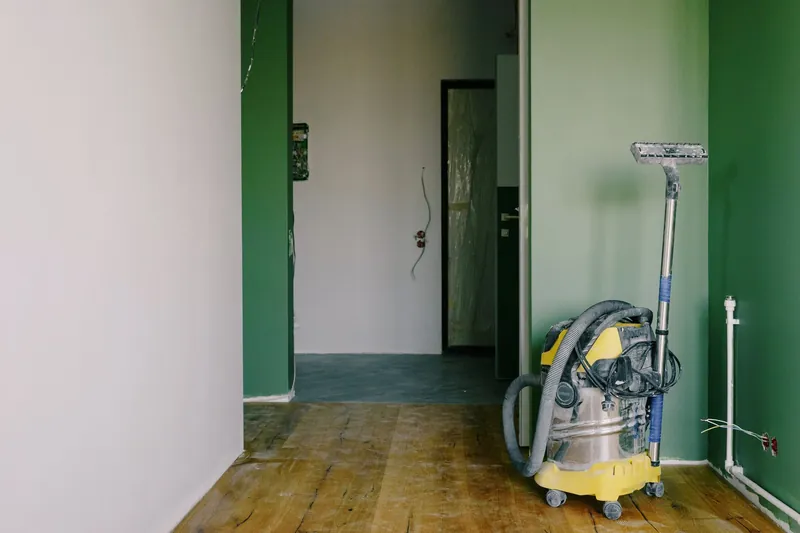
Worker practices, training, protective equipment and exposure controls are required by federal OSHA Bloodborne Pathogens Standard 29 CFR 1910.1030 where blood exposure may occur.
Any disinfectant targeting the organism must have EPA registration and be applied as its label directs. The full label contact period requires a continuously wet surface.
Florida calls it biomedical waste, and the term covers absorbent materials saturated with blood or body fluids. The Florida Department of Health's rules control packing, transport and treatment, so it cannot go in household trash.
Florida uses district medical examiners, with the Medical Examiners Commission under the Florida Department of Law Enforcement overseeing them. Cleanup starts after police or the medical examiner or coroner release the scene.
The full unattended death cleanup guide covers what is cleaned or removed, odor and air quality work, and the rules that apply in your state.
Read the full unattended death cleanup guide
Planning for access, containment and cleanup can depend on local population, housing and entry conditions.
Silver Bluff is listed about 2.5 miles from Miami VA Medical Center, a relevant distance when prompt evaluation follows a biohazard exposure.
Connections to Coral Gate, The Roads, and Latin Quarter make a precise address important for coordinating cleanup access without unnecessary neighborhood attention.
A neighborhood address can differ from its broader city label, making the full street and unit information important for discreet cleanup access.
Ask on the call about cleanup options for neighboring communities and ZIP codes.
Cleaning a home after someone dies, including fluids, odor and affected belongings.
See death cleanup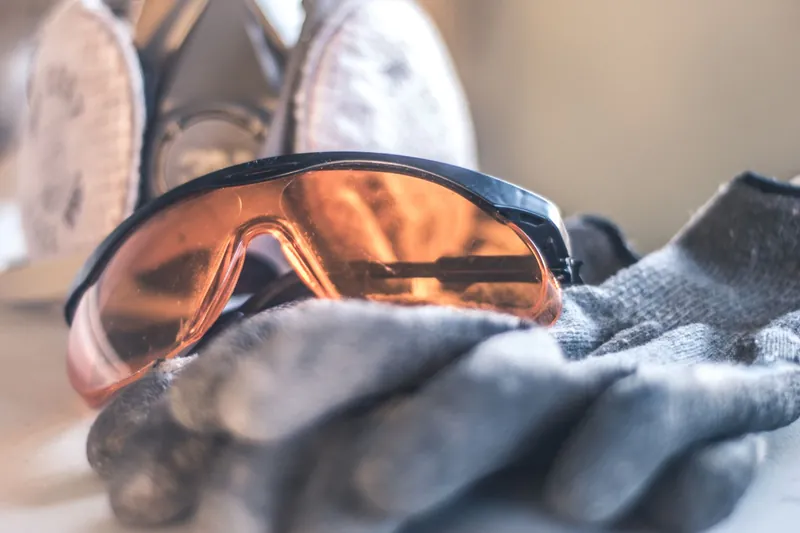
Decomposition fluids are removed from furniture, flooring and the subfloor beneath it.
See decomposition cleanup
Death odor removal at the source with air scrubbers, hydroxyl and ozone treatment.
See death odor removal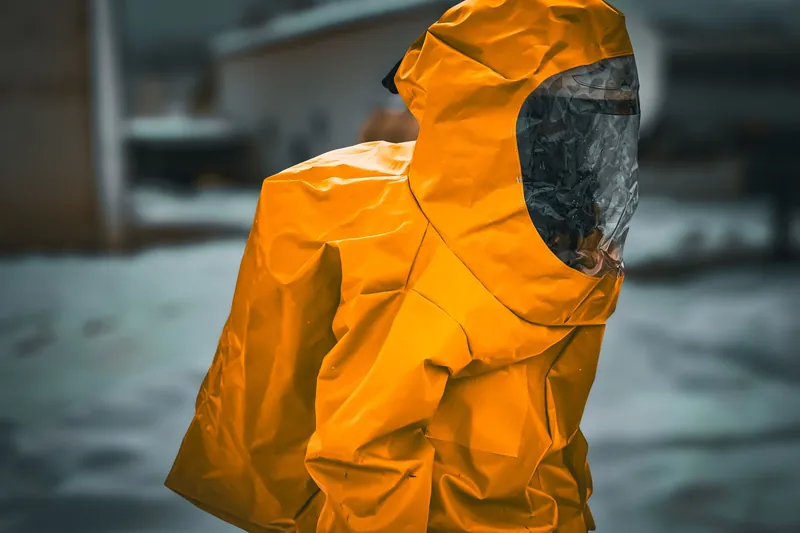
Removal and disinfection of blood, body fluids and other infectious material from any property.
See biohazard cleanup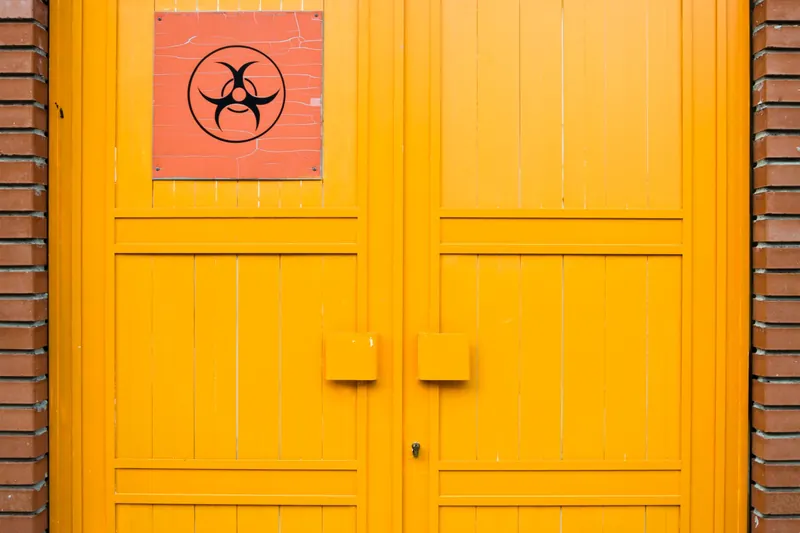
Trauma scene cleanup after accidents, injuries and violent events.
See trauma scene cleanup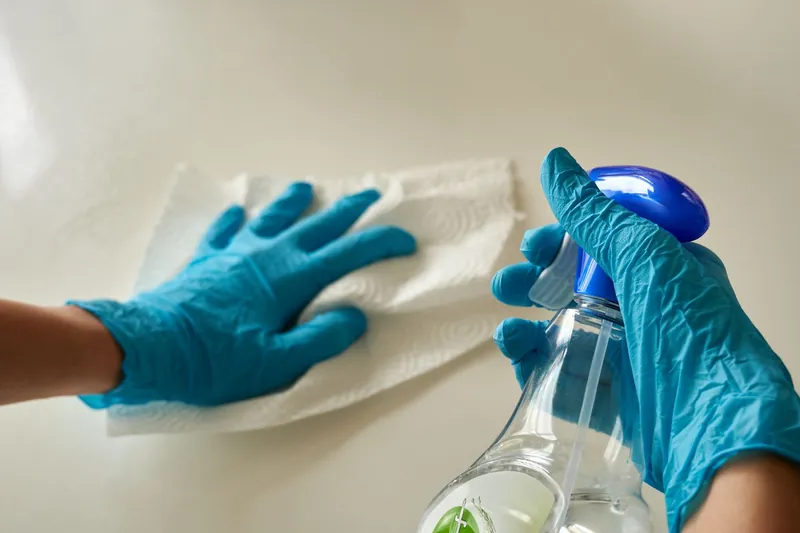
Carpet, solid floors, walls and furnishings receive blood cleanup that includes safe disposal.
See blood cleanup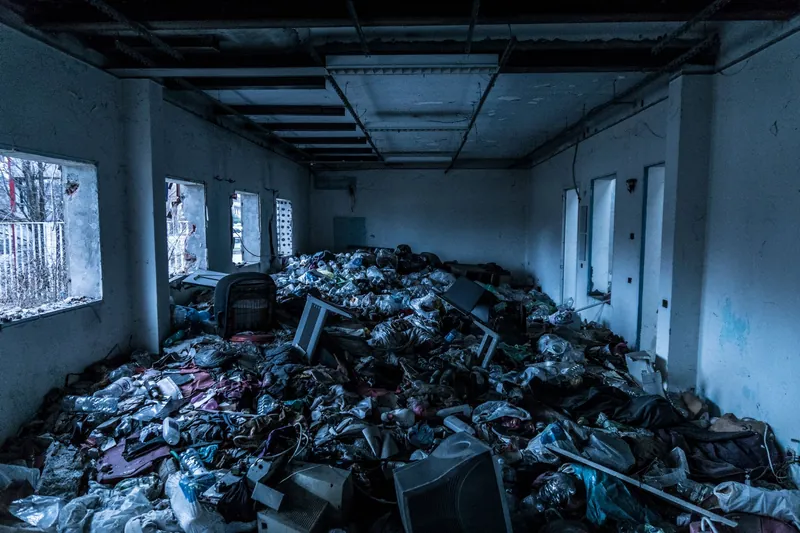
Deep cleaning, respectful sorting and removal are all part of hoarding cleanup.
See hoarding cleanup
Private, careful suicide cleanup so families do not have to face the scene.
See suicide cleanupAfter the person has been taken into care, decomposition fluids and materials they reached can still present health risks. Exposure to blood or some bodily fluids may involve bloodborne pathogens. Avoid direct contact, keep others away and leave porous material removal, surface disinfection and hazardous waste preparation to cleanup technicians using protective equipment.
Access and scope approval usually require you or your authorized representative, but neither must stay close to the affected space. Reviewing information, photographs and personal property choices can often happen away from the scene. Let cleanup technicians know about important property prior to removal.
Guide figures for many cases range from $2,000 through $7,000. For a recent case in one room, cost may be $2,000 to $5,000, compared with $8,000 to $18,000. The higher range follows discovery after one to two weeks. An on-site assessment considers discovery timing, penetration into materials, odor work and the quantity of waste.
Cleanup of a limited space may take approximately one day. An one-room cleanup involving carpet, pad or subfloor removal can last one to three days, while several affected areas may take longer. Access, fluid penetration, odor movement, personal property and the amount of waste all affect the schedule given after assessment.
Do not enter or attempt cleaning on your own. Containment and an inspection for apparent and concealed contamination are the first professional steps. Technicians remove fluid-affected porous materials and clean hard surfaces. They then observe the full contact time for an EPA-registered disinfectant, address source odor and record waste disposal.
Yes. Odor can be addressed after the affected source is found and removed. Once source removal is complete, remaining surfaces are cleaned and disinfected before air treatment is chosen for the room. The inspection may extend to furniture, HVAC components, wall cavities, carpet pad and the subfloor. Using fragrance does not eliminate the source or substitute for remediation.
You can request respectful, discreet unattended death cleanup 24 hours a day, and crews use unmarked vehicles.